Papa the Man the Myth: A Designer’s Embroidery Review
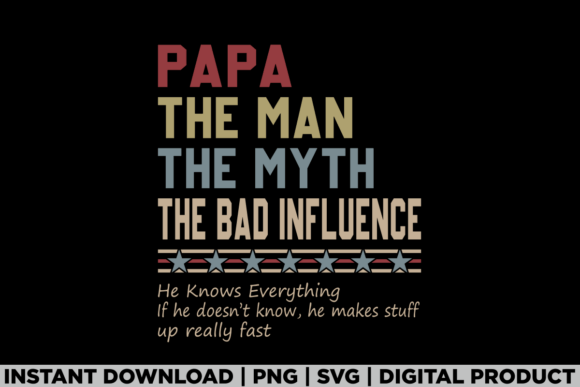
When I first opened the “Papa the Man the Myth Fathers Day Shirt” embroidery design, my immediate impression was one of classic, heartfelt Americana. This isn’t a flashy, modern graphic; it’s a design that speaks to tradition and enduring affection. The layout feels balanced, the text is prominent, and the overall theme is straightforward—it’s celebratory without being overly sentimental. It has the visual personality of a keepsake, something meant to be worn and cherished rather than just a trendy statement. This tells me it belongs squarely to projects meant for gifting and personal connection.
The Mood It Creates and Where It Naturally Belongs
The design creates a mood of warm appreciation and quiet pride. It’s not shouting; it’s declaring. That makes it a superb option for more than just Fathers Day—birthdays, retirement gifts, or simply a custom piece for someone who holds that “Papa” role. As an embroidery designer thinking about real projects, I see this fitting perfectly onto items that carry a sense of permanence. Imagine it stitched onto a heavyweight cotton sweatshirt, the fill stitches creating a substantial, textured feel. It would look equally authoritative on the front of a canvas tote bag, becoming a part of someone’s daily routine. For a boutique focusing on personalized family gifts, this design could be a cornerstone, applied to pillow covers or even a simple, elegant tea towel in a kitchen.
A Real-Life Scenario: Crafting a Boutique Father’s Day Gift
Let’s walk through a real case. A client requests a custom Father’s Day gift basket. They want something handmade, personal, and durable. I’m considering a high-quality, neutral-colored sweatshirt and a matching canvas apron. The “Papa the Man the Myth” design is my candidate. On the sweatshirt, its clear lettering and solid shapes would stitch up with excellent clarity, especially with a good stabilizer to handle the fabric’s texture. On the apron’s curved pocket, I’d need to consider hoop placement, but the design’s relatively clean corners should adapt well. The finished look would be professional, gift-ready, and immediately understandable—the kind of product that builds customer trust because it looks carefully made and intentionally designed.
Performance Across Embroidery Projects
This embroidery file has a versatility that’s practical for craft businesses. For apparel decorators, it’s a strong contender for t-shirts, polos, and hoodies, particularly in larger sizes where the design can be centered nicely. For Etsy sellers offering personalized baby items, consider scaling it down for a subtle placement on a baby blanket or a knit cap—though you must carefully inspect the small lettering details at reduced sizes. As an embroidered patch, it would hold its own, with the fill stitch areas providing good density for a standalone application. For holiday gifts or wedding gifts for a grandfather, stitched onto a pillow cover or kitchen towel, it adds a layer of thoughtful, handmade presentation that elevates the item beyond a store-bought card.
In terms of visual appeal and customer engagement, a design like this communicates value through its emotional resonance and clean execution. When displayed in a printable mockup for an online store, it shows a finished product that feels cohesive and professional. For a small shop merchandise line, it offers brand consistency if your niche is family-centric or celebratory goods. Its giftability is high because the message is universal and warmly received.
Where To Use This Design With Care
While adaptable, there are situations where you should proceed with caution. The detail level, particularly in the lettering, means very small hoop sizes on textured fabrics like thick sweaters might lead to stitching clarity issues. On thin or stretchy fabrics, the stitch density needs to be managed to prevent puckering. Embroidering on dark fabric will require careful thread color contrast planning—a light thread palette would be essential here.
Layered garments with seams or curved surfaces like caps demand precise stabilization and possibly adjusting the design orientation to avoid distortion in the corners. Also, consider the end-use: products destined for frequent washing, like baby clothes or kitchen towels, benefit from a robust stitch structure and high-quality thread to ensure longevity. Always test the design on scrap fabric first, mimicking the final project’s material and color.
Practical Notes for the Embroidery Designer
Before running this machine embroidery design for a client project or your own craft business product, here are my grounded notes. First, review the stitch density in your software preview; a balanced fill stitch will prevent fabric strain. Confirm the hoop size you intend to use—does the design layout fit comfortably without crowding the edges? Inspect the small details, like the spaces between letters, to ensure they’ll stitch cleanly.
I always advise testing the design in both black and white mockups to visualize it on light and dark backgrounds. This helps choose thread colors. Use a proper stabilizer for the fabric type; this is non-negotiable for professional results. Crucially, check the provided licensing before selling finished items or using the digital embroidery file for commercial embroidery projects. The product description mentions its use for various occasions and people, but the specific license terms for digital product sellers and commercial use must be verified independently.
For handmade shop owners and creative entrepreneurs, this design is a reliable asset. It doesn’t require complex interpretation; it stitches up as it appears, making it a trustworthy choice for consistent output. When applied thoughtfully—on the right product, with proper technique—it results in a clean, meaningful piece that customers and recipients will genuinely appreciate. That’s the ultimate practical judgment: a design that works as hard as you do.