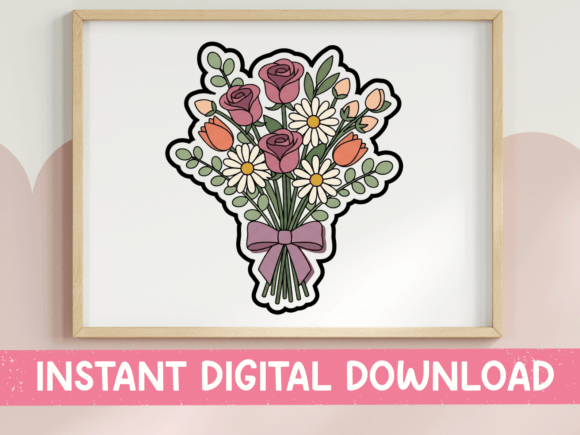
A Bouquet You Can Wear: Reviewing the Spring Flower Bouquet Design
When I first open a new embroidery file, my mind immediately starts picturing it stitched out. I’m looking at it not just as an image on a screen, but as thread on fabric. This Spring Flower Bouquet with Bow Sticker design has that instant appeal—it’s a charming, hand-illustrated bouquet that feels both classic and fresh. As a designer who evaluates designs for real client projects and my own craft business, my first question is always: where does this belong?
The Visual Mood and Where It Naturally Fits
The lush tied bouquet, with its deep pink roses, peach tulips, and white daisies, creates a soft, joyful mood. It’s not overly feminine or frilly; it has a balanced, artful personality that would appeal to a wide range of customers. The layout is generous but not sprawling, which makes it a fantastic focal point. I can instantly see this as the centerpiece on a custom embroidered tote bag for a garden enthusiast, or beautifully positioned on the front of a linen pillow cover for a cozy living room. For small business owners, this kind of design is a versatile asset—it’s inherently giftable and works across seasons.
Perfecting the Project: From Screen to Stitches
Let’s walk through a real-life scenario. Imagine you’re preparing a custom order for a mother who wants a personalized baby blanket. This Spring Flower Bouquet design would be a lovely, gentle choice for nursery decor. The detail level is rich, suggesting nice fill stitch areas for the flowers and potential satin stitch for the bow. However, the thought process begins here. On a textured fabric like a blanket, and with the smaller scale you might use for a baby item, those intricate flower details need to stitch out clearly. That’s the practical bridge between a beautiful graphic and a successful embroidery project.
Performance Across Real Embroidery Situations
This design’s hand-illustrated nature gives it a handmade feel that translates wonderfully to physical products. For Etsy sellers and apparel decorators, it’s a strong candidate for a range of items:
- Sweatshirts & T-Shirts: Positioned on the left chest or full-center, it would create a high-value, boutique-style garment.
- Tote Bags & Aprons: Its size and theme are ideal for these utilitarian items, elevating them into pretty, marketable small shop products.
- Holiday & Wedding Gifts: Embroidered onto a nice kitchen towel or a pillow cover, it becomes a thoughtful, personalized gift with lasting appeal.
- Embroidered Patches: This design could make a stunning standalone patch, appealing to crafters who sell finished patches or use them for upcycling projects.
The key to its performance is understanding its density and detail. In a digital embroidery file, the translation from illustration to stitches dictates everything. For commercial embroidery runs, consistency is paramount. This bouquet, with its varied elements, would need a test run on scrap fabric first to ensure the roses don’t become a too-dense blob and the daisy petals retain their delicate definition.
Where This Design Requires a Careful Approach
Not every design fits every surface. Here’s my practical judgment on where to proceed with caution with the Spring Flower Bouquet:
- Small Hoop Sizes: If you try to shrink it drastically for a cap or a baby hat corner, the smaller lettering on the “sticker” element and the tight flower clusters might lose clarity.
- Textured or Stretchy Fabrics: On knits or loosely woven fabrics, the detailed corners of the leaves and bow could require very precise stabilizer choice to prevent distortion.
- Dark Fabric Backgrounds: The lovely peach and pink tones will need excellent thread color contrast to pop on darker garments. Always test in a black-and-white mockup first to check value separation.
- Products for Frequent Washing: If used on an everyday kitchen towel or child’s apparel, the stitch density should be checked to ensure it’s robust enough for wear without compromising the design’s lightness.
These considerations aren’t negatives; they’re the hallmark of professional preparation. They directly affect stitching clarity, customer trust, and the overall handmade presentation of your finished product.
The Impact on Your Business and Customer Engagement
Using a design like this isn’t just about making an item; it’s about creating an impression. For creative entrepreneurs, a well-executed version of this bouquet on a product conveys care and skill. It boosts the perceived value of a handmade product. Customers recognize a cohesive, beautiful design—it feels intentional, not generic. This supports brand consistency if you specialize in floral or giftable items.
In a craft fair booth or an Etsy listing, a tote bag featuring this embroidery becomes a visual anchor. It attracts the “flower lover” described in the product description. The design’s personality does the talking, letting your craftsmanship shine. That engagement is crucial for turning a viewer into a buyer.
Essential Designer Notes Before You Hoop Up
Before I commit any design to a client’s project or my own merchandise, I follow a simple checklist. For the Spring Flower Bouquet with Bow Sticker, I’d recommend:
- Test on Scrap: Use the same fabric and stabilizer combo as your final project. Check for thread breaks in small details.
- Review Color Contrast: Match the suggested deep pink, peach, and white to your thread library, but also consider alternatives for different fabric backgrounds.
- Confirm Hoop Size: Ensure the design’s dimensions align with your intended product area without needing excessive scaling.
- Inspect for Commercial Use: If you plan to sell the finished items or the digital product itself, always verify the licensing terms provided with the file.
- Think Beyond Apparel: This graphic could also be wonderful for printable mockups in your shop, or as a design asset for other creative projects.
Embroidery is a journey from digital file to physical art. The Spring Flower Bouquet with Bow Sticker design offers a beautiful starting point with broad appeal. By applying this practical, realistic approach—thinking about fabric, scale, and end-use—you can transform this charming graphic into a standout finished product that delights both you and your customers.